Frozen Embryo Transfer: What to Expect Every Step of the Way
If your fertility journey has brought you to the words “frozen embryo transfer,” you may be feeling a blend of hope, curiosity, and maybe a few nerves. Perhaps you have embryos waiting safely in storage, or your doctor has recommended a “freeze-all” approach and you’re wondering what comes next. Whatever brought you here, please know this is a well-established, carefully managed part of modern fertility care. Let’s walk through what a frozen embryo transfer, or FET, actually involves — in plain, reassuring language — so you can feel more prepared and less anxious as you move forward.
What Is a Frozen Embryo Transfer?
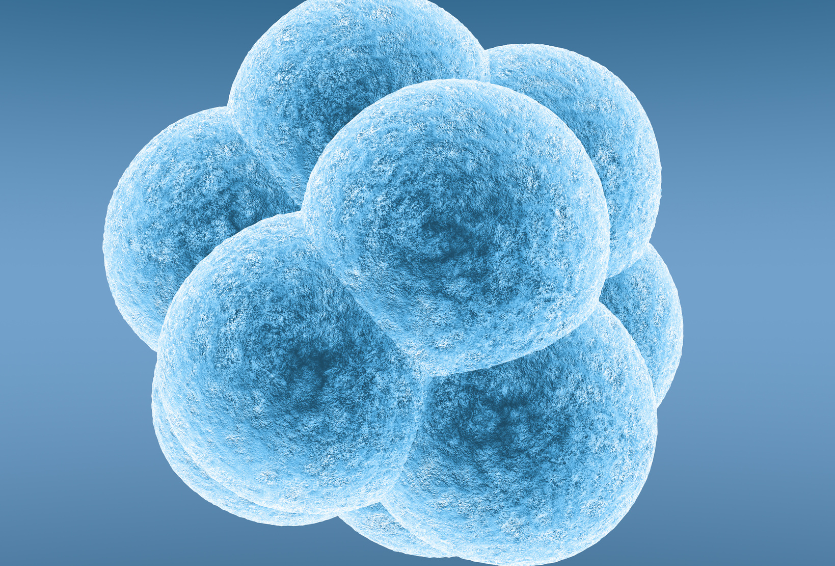
A frozen embryo transfer is a procedure in which an embryo created during a previous IVF cycle — and then frozen for safekeeping — is thawed and placed into the uterus. The freezing process, often called vitrification, is a rapid method that helps protect embryos so they can be stored for months or even years without losing their potential.
In many cases, patients have more than one healthy embryo after an IVF cycle. Freezing, or cryopreservation, of these embryos means you may have future pregnancy opportunities without needing to go through another egg retrieval, which many people find both practical and reassuring.
Why Your Doctor Might Recommend a Freeze-All Cycle
You may hear the term “freeze-all,” which simply means all of your embryos are frozen rather than transferring one right after retrieval. There are several reasons your doctor might suggest this approach.
Biologically, freezing gives your body time to recover from the hormones used during the IVF stimulation, which leads to a subsequently more welcoming environment for an embryo to implant. A freeze-all cycle also allows time for genetic testing of embryos, and further enables your care team to plan the transfer for a moment when your uterine lining looks its best. Your doctor will evaluate which timing is most likely to support a successful outcome for you.
Preparing Your Body for Transfer
The weeks leading up to an FET are focused on preparing the lining of your uterus, called the endometrium, so it’s ready to welcome an embryo. In the standardly accepted approach of a medicated cycle, you’ll take estrogen and later progesterone to build and support the lining on a carefully timed schedule. Less commonly, a natural or modified natural cycle may be undertaken in which your team tracks your own ovulation and adds support as needed. While neither approach is universally “better” — your doctor will recommend what fits your body, your history, and your preferences.
The Day of the Transfer
The transfer itself is often gentler and quicker than many people expect. It’s typically a short, in-office procedure that doesn’t require anesthesia. Your embryo is thawed in the lab and checked by an embryologist beforehand.
During the transfer, a thin, soft catheter is used to gently place the embryo into your uterus under ultrasound guidance so your care team can see exactly where it’s positioned. Most patients describe it as similar to a routine exam. Afterward, you’ll be heading home to continue your normal, gentle daily routine.
The Two-Week Wait
After the transfer comes the period many patients find most emotionally tender — the wait until a pregnancy blood test, often around ten to twelve days later. It’s completely normal to feel hopeful one moment and anxious the next.
During this time, you’ll typically continue all prescribed medications, including progesterone, to support the uterine lining. Try to be gentle with yourself: rest when you need to, lean on people you trust, and remember that everyday symptoms are not reliable signs one way or the other. Your care team is only a phone call away if worries arise.
Understanding Your Chances
Many people wonder how well frozen transfers work compared with fresh ones. The encouraging news is that freezing techniques have advanced significantly, and as a result, frozen transfers have outcomes that are frequently superior to fresh transfers.
That said, success depends on many personal factors, including the age at which the eggs were retrieved, embryo quality, and your overall health. There are no guarantees in fertility care, but your doctor can help you understand what the numbers may mean for your specific situation.
Taking the Next Step With Confidence
A frozen embryo transfer represents a hopeful, thoughtfully planned step forward — one made possible by the embryos you and your care team have worked so hard to have available. Feeling nervous is natural, but you don’t have to carry those feelings alone.
If you have questions about your embryos, your timing, or what an FET would look like for you, our team is here to guide you with warmth and clarity. Reaching out for a conversation is a gentle, empowering next step, and we would be honored to walk it beside you.
You Are Not Alone. Our team is ready to help you!
We will assist you in every possible way to have a positive and successful experience as you proceed along your reproductive journey. Whether you desire a second opinion, or this is your very first visit to a fertility center, you can get started by scheduling an appointment today!

Request Your Appointment!
What our patients are saying

Dr. Qasim and his team are the best. They are very sensitive to their patients' feelings and problems. They helped me throughout the entire process and gave me so much strength when I needed it. My husband and I are currently 12 weeks pregnant, and we are the happiest. Dr. Qasim, thank you so much. May God bless you always.
Grecia C.
We can't express enough how grateful we are for the support and expertise we received from Dr. Rahul Sachdev and his team along our nurse Victoria from the very first consultation he and the team made us feel understood and cared for. They guided us through each step of the process with compassion and professionalism always taking the time to answer our questions and address my concerns.
Navi S.
5 weeks ago I delivered my IVF baby. I can't thank Dr. Sachdev enough for his knowledge and being straight forward with everything. The team was great as well. Thank you for my blessing 💕
Jennifer M.

Edison, NJ
CENTER FOR ADVANCED REPRODUCTIVE MEDICINE & FERTILITY
4 Ethel Rd, Edison, NJ 08817
Princeton, NJ
CENTER FOR ADVANCED REPRODUCTIVE MEDICINE & FERTILITY
114 Stanhope St, Princeton, NJ 08540
Cranford, NJ
CENTER FOR ADVANCED REPRODUCTIVE MEDICINE & FERTILITY
123 N Union Ave #102, Cranford, NJ 07016